Nourishing the Cosmos

Nourishing the Cosmos: The Organic Relationship Between Plants and Humans in Space Exploration:
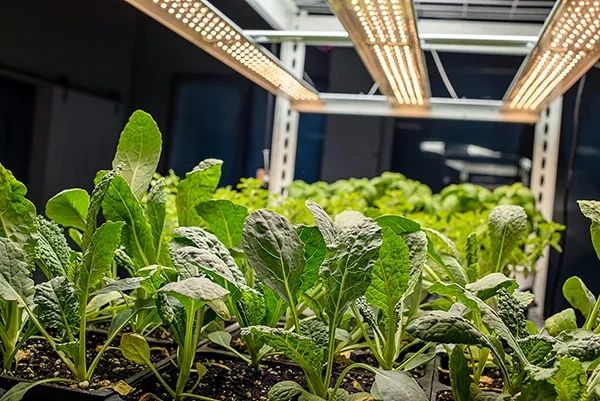
In the vast silence of space, where gravity fades and the Earth becomes a distant blue marble, the bond between humans and plants takes on profound significance. This organic relationship—rooted in billions of years of co-evolution on our home planet—extends far beyond mere sustenance. Plants are not just food sources; they are silent partners in human well-being, providing oxygen, nutrition, and psychological solace. As we venture to the Moon, Mars, and beyond, understanding and harnessing this connection is key to sustainable exploration. At Gastronaut, we see nutrition as a service that goes hand-in-hand with this symbiosis, ensuring astronauts thrive in the harshest environments.On Earth, plants and humans share a deeply intertwined existence. Through photosynthesis, plants convert sunlight, water, and carbon dioxide into oxygen and carbohydrates—the very air we breathe and the energy we consume. In return, humans exhale CO2 and provide the stewardship that allows ecosystems to flourish. This cycle is more than biological; it's emotional. Gardening, for instance, has long been recognized as a therapeutic activity, reducing stress hormones like cortisol by up to 20% and boosting serotonin levels through soil microbes like Mycobacterium vaccae. Studies from the American Horticultural Therapy Association show that interacting with plants enhances cognitive function and emotional resilience, effects amplified in confined or isolated settings.In space, this relationship faces extreme tests. Microgravity disrupts plant growth: roots grow erratically without downward cues, nutrient uptake drops by 30–50% for minerals like calcium and magnesium, and reactive oxygen species (ROS) levels spike fivefold, degrading antioxidants and leading to cellular damage. Astronauts, meanwhile, endure isolation that can erode mood and performance after just 120 days. Yet, recent research from npj Microgravity (2025) reveals plants as a powerful countermeasure. Voluntary interactions—like viewing or tending crops—yield mood improvements of 1.10 standard deviations and wellbeing gains of 1.78, the largest behavioral health effects ever measured in space analogs. Women show even stronger responses (1.67 for wellbeing), highlighting gender-specific benefits.On the Moon (0.16g gravity) or Mars (0.38g), this symbiosis evolves. Lunar regolith, rich in silicates but toxic with perchlorates, challenges plant roots, but adapted crops could recycle habitat air and water while providing fresh produce. Mars' thin atmosphere and radiation demand shielded greenhouses, where plants not only feed crews but filter CO2 and generate oxygen—potentially supporting colonies of hundreds. Psychologically, these "green oases" combat "Earth disconnection," fostering a sense of normalcy. As one ISS astronaut noted, fresh greens are "a taste of home" that breaks the monotony of freeze-dried meals, reducing taste fatigue and supporting mental health during multi-year stays.Gastronaut champions this organic bond through Nutrition as a Service, focusing on systems that amplify plants' natural role in human health. By optimizing growth conditions, we ensure nutrient-dense outputs that sustain bodies and minds—whether in orbit or on alien soil. As exploration advances, this relationship isn't just survival; it's the foundation of thriving beyond Earth.Sources
- npj Microgravity (2025). "Interacting with plants as a behavioral health and performance countermeasure for astronauts on long-duration space missions."
- npj Microgravity (2025). "Feeding the cosmos: tackling personalized space nutrition and the leaky gut challenge."
- American Horticultural Therapy Association (2023). Therapeutic benefits of gardening.